
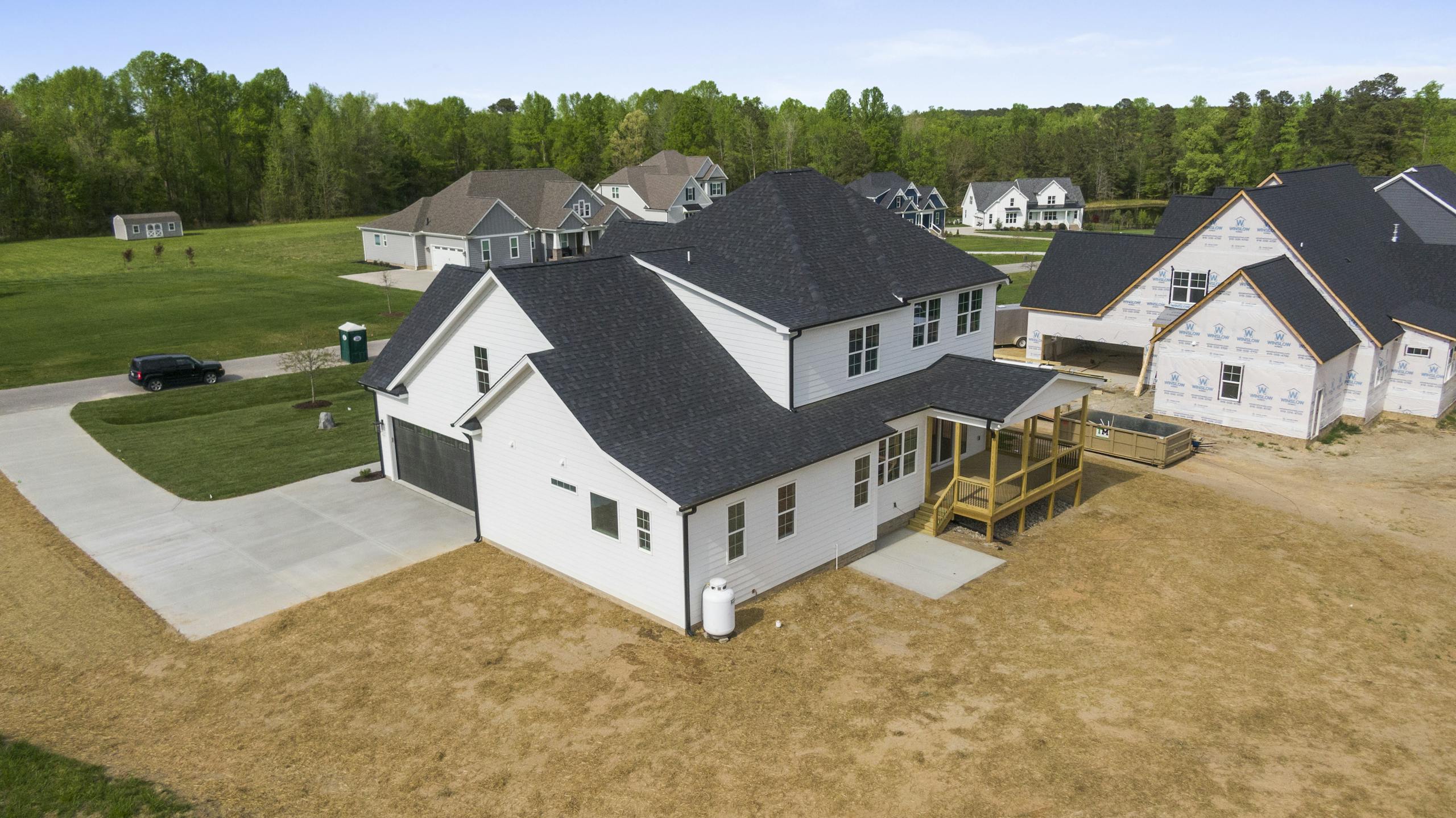
When Four Major Brokerages Failed, Strategic Consultation Succeeded
The Challenge: Complex Multi-Parcel Development with Hidden Complications
How specialized land development consultation transformed an “unsellable” property into a successful transaction.
The Situation
A Virginia landowner contacted our firm after experiencing three years of frustration with traditional real estate approaches. Their property—four contiguous parcels in a high-growth area where new homes were selling for $2.1-2.4 million—had been listed with four major brokerages: Long & Foster, RE/MAX, Keller Williams, and TTR Sotheby’s. Eight expired listings. Zero results.
“You seem to specialize in land,” the owner said during our initial call. “Can you help us?”
This became a defining example of why complex residential land development requires professional consultation rather than traditional real estate marketing.
The Hidden Complexities
What appeared to be a straightforward infill development opportunity actually presented multiple interconnected challenges:
Access Complications: Only two of four platted lots had physical access. The others required road construction through existing legal easements.
Infrastructure Gaps: While sewer lines ran along the main road, no lots were connected. Existing easements needed revision requiring neighboring property owner cooperation.
Regulatory Issues: Department of Transportation construction along one boundary, including partial eminent domain acquisition and planned sound barriers.
Environmental Considerations: Wetland areas potentially requiring U.S. Army Corps of Engineers permits for road construction.
Occupied Property: An existing home with owners refusing interior inspections.
Each issue was solvable individually, but collectively they created a situation requiring specialized development consultation.
Why Traditional Approaches Failed
Our analysis of the previous listing attempts revealed consistent patterns:
Lack of Development Expertise: Agents marketed the property as residential with “development potential” but couldn’t explain development economics, realistic costs, or standard timelines to prospective buyers.
Educational Gaps: Sellers became frustrated with developers’ due diligence requests because no one explained why these timeframes were necessary and industry-standard.
Valuation Disconnect: Tension existed between seller expectations and market offers, with no framework for evaluating offer reasonableness.
These weren’t inadequate agents—they simply lacked the specialized knowledge complex development properties require.
Our Consultation Approach
Rather than immediately listing the property, we invested time in comprehensive analysis and client education.
Strategic Property Analysis
We conducted a detailed residual land valuation, working backward from finished home values to calculate appropriate land values after accounting for:
- Development costs and timelines
- Infrastructure requirements
- Regulatory approval processes
- Developer profit margins and risk factors
This provided sellers with a realistic framework for evaluating future opportunities.
Client Education and Expectation Setting
We detailed each due diligence component developers would need to address, providing realistic timelines for approval processes. Previously “excessive” contingency periods suddenly made sense as standard business practice rather than unreasonable demands.
Transparent Communication
From initial consultation through closing, we maintained complete transparency about:
- Property challenges and opportunities
- Market realities and pricing frameworks
- Regulatory requirements and timelines
- Professional service structure and fees
The Strategic Marketing Approach
Instead of traditional residential marketing, we focused on reaching sophisticated buyers who understood development complexities.
Targeted Professional Outreach: Direct contact with builders and developers experienced in challenging projects with resources to handle complex approvals.
Comprehensive Due Diligence Package: Detailed upfront information including surveys, environmental considerations, and infrastructure requirements, enabling informed preliminary assessments.
Challenge-as-Opportunity Positioning: Rather than hiding complications, we presented them as opportunities for buyers who understood efficient navigation of approval processes.
The Successful Outcome
Within five months, we secured a signed contract with a qualified builder. The transaction succeeded because:
Educated Seller: Understanding development economics enabled realistic expectation setting and informed decision-making.
Qualified Buyer: Our professional network connected the property with a sophisticated developer capable of handling the complexities.
Transparent Process: All parties understood the challenges, timelines, and economic realities from the beginning.
Strategic Positioning: The buyer secured a valuable development opportunity with pricing reflecting the additional complexity but providing appropriate returns.
Key Strategic Insights
Specialized Knowledge Creates Value
Success required understanding development economics, regulatory processes, and buyer expectations—knowledge that bridged the gap between seller expectations and market realities.
Professional Consultation vs. Transaction Focus
Taking time for comprehensive analysis and client education created smoother negotiations and better outcomes for all parties.
Relationship-Based Approach
Professional networks with qualified developers enabled connections between appropriate opportunities and capable buyers.
Long-term Perspective
Consistent professional relationship building over time created the foundation for this successful engagement.
Why This Required Professional Consultation
This case demonstrates several principles that distinguish professional land development consultation from traditional real estate services:
Complex Analysis: Understanding interconnected regulatory, environmental, and infrastructure challenges required specialized expertise.
Strategic Education: Helping clients understand development economics wasn’t separate from service delivery—it was essential to successful outcomes.
Professional Networks: Access to qualified developers and other professionals was crucial for identifying appropriate buyers.
Risk Assessment: Comprehensive evaluation of challenges and opportunities required experience with similar complex properties.
Timeline Management: Understanding realistic approval and development timelines was essential for setting proper expectations.
Lessons for Property Owners
This experience illustrates why complex residential development properties benefit from professional consultation:
Specialized Knowledge Matters: Development properties require expertise in areas most real estate professionals don’t encounter regularly.
Education Enables Better Decisions: Understanding development economics helps property owners evaluate opportunities and offers realistically.
Professional Networks Provide Access: Relationships with qualified developers and other professionals can connect opportunities with appropriate buyers.
Strategic Patience Creates Value: Taking time for proper analysis and education often leads to better outcomes than rushing to market.
Transparency Builds Trust: Clear communication about challenges and realities creates foundation for successful transactions.
When Professional Consultation Makes Sense
This case study demonstrates the value of professional consultation for:
- Multi-parcel properties with development potential
- Properties with regulatory complexities requiring specialized knowledge
- Situations where previous marketing attempts failed due to lack of expertise
- Development opportunities requiring buyer education and strategic positioning
- Complex infrastructure or access issues needing professional analysis
Professional land development consultation provides the specialized knowledge, strategic analysis, and professional networks necessary for successfully marketing complex residential development opportunities. When standard real estate approaches prove insufficient, strategic consultation creates value for all parties involved.